
 10173 Reads
 9 mins


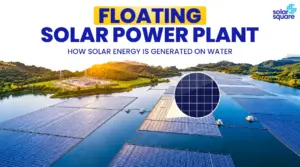
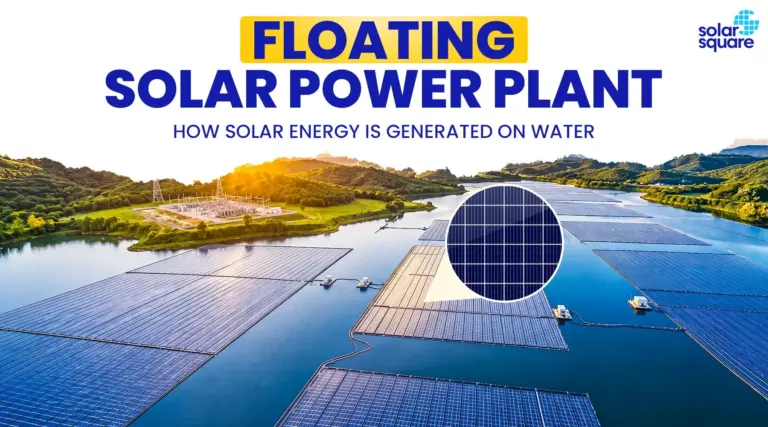
India has enough dam and reservoir surface to host over 100 GW of floating solar power, according to a 2026 assessment by the NISE (National Institute of Solar Energy). A floating solar power plant is a solar system built on water instead of land, using floating structures anchored to reservoirs, lakes, or dams. The fast depletion of fossil fuel reserves, combined with the environmental damage caused by greenhouse gas emissions, has increased the need for sustainable energy sources.
Solar energy seems to be the best option to meet all the energy requirements for the future. However, setting up large solar power plants requires a huge land area. A floating solar power plant offers the best solution for efficient power generation in today’s scenario.
Instead of using land, this power generation system uses large water bodies to set up a floating solar park, capturing plenty of solar energy without needing an acre of ground.
For a country like India, where land is both expensive and often needed for farming, installing a floating solar power plant is a genuinely practical solution rather than just an interesting engineering idea.
This guide covers what a floating solar power plant actually is, how it works, its real advantages and challenges, and some of the biggest floating solar projects in India and around the world.
What Is a Floating Solar Power Plant?
A floating solar power plant, also called a floating solar farm or floating solar park, is a solar power station built on water rather than on land. Solar panels are mounted on buoyant floating structures placed on calm water bodies like lakes, reservoirs, or dams.
This approach has gained popularity over the last few years, especially in countries where usable land is limited or expensive, and where large reservoirs and dams already exist. These reservoirs and dams can be put to additional use without disrupting anything on the ground below.
India, with its large network of dams, canals, and irrigation reservoirs built over decades, is particularly ideal for expanding floating solar power plant capacity. Many of these water bodies sit largely unused for anything beyond irrigation or hydropower, which makes them ideal candidates for a second layer of clean energy generation on the surface.
How Do Floating Solar Panels Work?
Floating power plants have PV solar panels set up on top of water bodies like lakes, dams, or any other water body that is calm to prevent any damage to the panels.
Solar panels on the floating solar power plant are firmly fixed on buoyant structures to keep them afloat on water bodies to receive sufficient sunlight throughout the year. Electric current is transferred from these panels to power plants through underwater cables.
In short, the core working principle stays the same as any rooftop solar system. Sunlight hits the panel, gets converted into electricity through the photovoltaic effect, and flows onward through cabling. The real innovation lies in how the panels are physically supported and protected while sitting on water.
Features of a Floating Solar Power Station
The largest floating solar power plants require a different setup than the world’s largest solar power plant built on land.
Floating solar plants face constant exposure to harsh climatic conditions. Therefore, these solar modules must have the following features for better longevity:
- Rust-resistant horizontal and vertical frames.
- Sturdy buoyancy body to carry load efficiently.
- Lead-free, dustproof, and humidity-resistant solar panels to avoid water and environmental damage.
- Corrosion-resistant Magnesium alloy floating structure to prevent rusting due to continuous exposure to water.
Advantages of Floating Solar Power Plants
Here are the real benefits of installing a floating solar power plant:
- All a floating solar power plant really needs is a still water body, a dam, wastewater reservoir, or lake, for installation. This saves valuable land that would otherwise be needed for farming, cultivation, or other essential uses.
- It reduces algae growth in freshwater bodies. Algae can be harmful for human consumption. A floating solar farm plays a genuine role in maintaining water hygiene.
- Large floating solar plants reduce water evaporation from the reservoir, helping conserve water while also keeping the PV modules cooler.
- It generates clean energy, cutting down our reliance on harmful fossil fuels.
- Land-based or other types of solar panels tend to lose efficiency over time due to constant exposure to extreme heat. On the contrary, the cooling effect of water bodies protects the floating PV panels from heat damage and maintains their efficient function for a longer duration.
Challenges of Setting Up a Floating Solar Power Plant
Installing a floating solar power plant depends on a range of factors, including environmental conditions, climate, and technical feasibility, etc. Some of the bigger challenges include:
- The mandatory use of high-quality, corrosion-resistant materials to keep the PV panels afloat without rust damage
- Climate events like flooding or storms, which can cause serious damage to the floating PV setup
- A shortage of skilled workers experienced in installing solar panels on water bodies
- The significant investment required to build a technically sound floating power generation plant
- Limited suitability for small-scale domestic use, since the cost and technical complexity involved make this largely a utility-scale solution rather than a home solar option
Floating Solar Power Plant vs Rooftop Solar: What’s the Difference?
It’s worth understanding where a floating solar power plant fits compared to rooftop solar systems. Both rely on the same core principle, i.e photovoltaic panels convert sunlight into electricity, but they’re built for very different purposes and scales.
A floating solar power plant is a utility-scale installation, typically developed by government bodies, power companies, or large energy corporations, and it feeds electricity into the wider grid, sometimes powering entire cities or regions. It requires a large water body, significant capital investment, and specialised engineering.
On the other hand, a rooftop solar system is a different story. It is installed on the roof and connects directly to your household’s electricity supply. It’s built for just one home or business, sits right on your roof, and connects straight to your home’s power supply. It costs way less, it’s much simpler to install, and it’s something an everyday homeowner can actually set up. A floating solar plant just isn’t made for that.
Location of the World’s Largest Floating Solar Power Plant
The Saemangeum floating solar power project, on the shore of the Yellow Sea in South Korea, is being developed to become the world’s largest floating solar power plant once complete.
The project is designed with a capacity of 2.1 GW, as part of a larger planned power generation effort. The capacity of this floating power generation project is many times more than the Huainan solar farms. It generates enough power to meet the everyday requirements of millions of people.
India’s Largest Floating Solar Power Plant
India’s largest floating solar power plant is the Omkareshwar Floating Solar Park, located on the Narmada River in Khandwa district, Madhya Pradesh.
This floating solar project has a total planned capacity of 600 MW, making it the largest floating solar park in India. Construction and commissioning, with multiple developers, including NHDC (National Hydroelectric Power Corporation Limited), SJVN (Satluj Jal Vidyut Nigam), and AMP Energy, have been completed over the past couple of years. A significant share of the total capacity has already been commissioned and is supplying power to the Madhya Pradesh Power Transmission Company Limited (MPPTCL), with the remaining phases progressing toward the full 600 MW target.
A few things make this floating solar power plant in India particularly noteworthy:
- The panels can adjust their position according to the level of water in the dam.
- The estimated cost of this project is 410 million dollars or Rs. 30 billion.
- The project’s funding comes from the World Bank, the Finance Corporation, and Power Grid.
- The efficient design ensures the proper functioning of the solar panels during floods and high waves while maintaining the structure.
Top 5 Largest Floating Solar Plants in India
The following table provides information about India’s top 5 floating solar plants as per Heaven Design.
| Sl. No. | Floating Solar Plant | Location | Capacity |
| 1 | Omkareshwar Floating Solar Power Park | Madhya Pradesh | 600 MW |
| 2 | NTPC Ramagundam Floating Solar
| Telangana
| 100 MW
|
| 3 | NTPC Kayamkulam | Kerala | 92 MW |
| 4 | Rihand Dam Floating Solar | Uttar Pradesh | 150 MW |
| 5 | NTPC Simhadri | Andhra Pradesh | 25 MW |
Conclusion
A floating solar power plant is one of the best eco-friendly alternatives for high-capacity power generation. It also helps in preserving land resources for other valuable uses.
In addition, the working efficiency of solar panels in water bodies increases due to the cooling effect of water.
If all the technical aspects of a floating solar power plant are met during installation, this power generation system can make a massive difference in preserving the environment from pollution damage.
Frequently Asked Questions
Why are floating solar panels set up in artificial water bodies?
Floating solar panels can interrupt the life of marine animals and plants. In addition, the high waves and floods in natural water bodies can destroy the panel structure. Therefore, floating solar plants are installed in artificial water bodies.
Can floating solar plants generate enough electricity to power a city?
Floating solar power generation plants are spread across a vast area. Various power plants generate enough electricity to power millions of households and commercial buildings.
Are floating solar panels more efficient than land solar power plants?
Floating solar power plants get enough cooling from the water bodies. This increases the efficiency of floating solar panels by nearly 15% compared to land-based solar panels.
What is the biggest floating solar power plant project in India right now?
The Omkareshwar Floating Solar Park in Madhya Pradesh is currently India’s biggest floating solar project, with a planned capacity of 600 MW once all phases are fully commissioned.
Is a floating solar power station suitable for home or residential use?
No. A floating solar power station is built for utility-scale power generation, requiring a large water body, heavy investment, and specialised engineering. For residential use, a rooftop solar system remains the practical, cost-effective choice for homeowners.


 Previous Article
 17 min
![10 kW Solar Panel Price in India [With and Without a Subsidy]](https://cdn.solarsquare.in/blog/wp-content/uploads/2025/07/18165650/10-KW-solar-panel-300x167.webp)